A key that stops turning, snaps in a cylinder, or refuses to sync with your car’s ignition has a way of bringing your day to a halt. In Manhattan, the question everyone asks at that moment is simple: how much will this cost, and how fast can it be fixed? The answers depend on the key type, the lock or vehicle system behind it, the hour of the call, and whether you need a mobile key service to come to you at the curb, your office, or your building lobby. After years working alongside a locksmith in Manhattan and managing jobs from prewar brownstones to new Class A towers, here’s how the numbers shake out and what drives them.
The real variables behind locksmith cost in NYC
Pricing for key repair is not a single line item. A lock technician builds a quote out of parts, labor, travel time, the difficulty of the mechanism, and timing. Manhattan adds its own friction: traffic, parking, security protocols for commercial sites, plus a high cost base for trained technicians with proper insurance. If you’re comparing a locksmith in NYC to one upstate, expect a higher range here, especially for a 24/7 locksmith call.
Three realities tend to move the price more than anything:

- Key type and mechanism. Simple residential keys cut on standard blanks cost far less to repair or replace than high-security keys, restricted cylinders, or automotive fobs with rolling codes. Access and urgency. A daytime appointment in a mid-block building with a cooperative superintendent costs less than a 2 a.m. lockout on a commercial door lock with badge integration or a key stuck in car ignition on a no-standing avenue. Whether the repair requires rekeying or lock replacement. If the cylinder is worn or the key has damaged pins beyond repair, a rekey or a new lock body might be smarter than endless fiddling.
What counts as “key repair” in Manhattan
Key repair covers more than copying a worn key. In practice, it includes extracting a key broke in lock, re-pinning a cylinder when the biting has worn the pins unevenly, fixing a misaligned strike that makes the key feel sticky, replacing a damaged ignition cylinder on a car, or reprogramming a fob. Sometimes the right fix is not to repair the key, but to address the lock or ignition it mates with.
A good locksmith service will diagnose both sides of the pair. In apartments, I often see bowed keys and shallow cuts on hardware store copies. In offices, the culprit is usually dirt and wear inside high-traffic cylinders. With vehicles, the conversation turns to transponder chips, key fob programing, or the override function to remove key from ignition when the shifter interlock fails.
Residential key repair costs in Manhattan
For prewar co-ops, brownstones subdivided into rentals, and newer condos, residential work tends to center on mechanical locks, with a growing number of smart locks. Here’s what to expect.
A standard key that no longer turns smoothly can often be salvaged by cutting a fresh copy to code rather than duplicating a worn copy. If the original code isn’t available, a skilled lock technician can decode the lock by reading the pins. Expect 25 to 50 dollars for quality keys cut on proper blanks, more for restricted keys that require authorization. If the cylinder is gummy or gritty, a service visit to disassemble and clean, then re-pin to fresh keys, typically lands between 125 and 225 dollars during regular hours, parts included.
Broken key extraction, where a fragment sits deep in the plug, runs 90 to 150 dollars in business hours, depending on access and whether additional keys need cutting. If the key broke in lock because of pin wear or a seized plug, you may be advised to rekey. Rekeying a common residential cylinder in Manhattan usually falls between 125 and 200 dollars for the first cylinder, then 30 to 60 per additional cylinder keyed alike on the same visit. The higher end applies to higher-security brands or multi-point locks.
Sometimes the lock body is the real issue. For a simple lock replacement on a basic deadbolt with upgraded hardware, plan on 200 to 350 dollars installed for a quality grade 2 deadbolt from a reputable brand, more if you want a grade 1 deadbolt or high-security cylinder. If a superintendent requires a specific keyway tied to the building’s master, the nearest locksmith may need to source from a distributor, which can push the cost higher and add a short lead time.
Smart locks add another layer. A mid-range smart deadbolt with install and setup for codes, app pairing, and handing of the door typically ranges 300 to 550 dollars, not counting special modifications for very old doors or mortise conversions. Smart locks tend to expose door alignment issues, so budget a bit for strike adjustments if you’re upgrading from a tired latch.
After-hours changes the math. A 24 hour locksmith callout fee in Manhattan runs 75 to 150 dollars above daytime pricing. Midnight on a weekend in a walk-up with tricky access can push that further. You’re paying for a mobile key service to roll a stocked van through Midtown or the Village at odd hours, find legal parking, and get you inside fast.
Commercial door lock and office costs
Commercial hardware in Manhattan occupies a different category: higher traffic, more compliance requirements, and more complex platforms. Key repair in an office often intersects with building security policy, master key systems, and fire code. A commercial door lock repair where the cylinder needs re-pinning to match existing keys typically starts at 150 to 250 dollars during the day. If the cylinder is part of a restricted key system, expect authorization checks and specialized blanks at 20 to 40 dollars per key, sometimes higher.
Mortise locks are common in older office buildings. Repairing a mortise case, adjusting the latchbolt, and servicing the cylinder can be a 200 to 400 dollar job, not counting parts if the case is failing. Panic bars and storefront locks complicate things. If a glass storefront rim cylinder needs attention and the bar must be partially disassembled, the labor time grows.
Rekeying a small office suite to a new keying plan, say five to ten cylinders keyed alike with a separate supervisor key, usually runs 300 to 700 dollars depending on hardware and schedule. If your building runs a master key hierarchy, you may need the locksmith in Manhattan to coordinate with the property’s system holder, which can add fees and delay. Swapping to a new commercial grade 1 lockset or heavy-duty deadbolt, installed, typically costs 300 to 500 dollars, more for electrified hardware or door modifications.
For businesses that operate late, a 24/7 locksmith becomes an insurance policy. After-hours service premiums apply, and many facilities build this into maintenance budgets. Downtown and Midtown Class A buildings often require certificates of insurance and vendor registration. A reputable locksmith in NYC will have those ready, but you may pay slightly more for a contractor carrying higher liability coverage.
Automotive locksmith costs in Manhattan
Vehicles introduce electronics, immobilizers, and interlocks that make key repair look less like metalwork and more like light diagnostics. A car locksmith working curbside in Manhattan brings specialized tooling, programming gear, and a stack of manufacturer-specific knowledge. That convenience carries a premium over dealer pricing in some cases, but the trade-off is speed and no towing.
For a basic metal key on an older vehicle, a cut-by-code replacement runs 85 to 150 dollars, including the service call. Transponder keys with chips that require programming land between 175 and 300 dollars for many models, sometimes more for European brands that need precoding or EEPROM work. Add-ons like remote functions raise the price.
Key fob programing for push-to-start vehicles typically ranges 200 to 450 dollars, depending on the fob cost and the vehicle’s security. Late-model luxury vehicles can exceed that range when fobs are expensive or locked to the VIN in ways that require advanced procedures.
A common call is key stuck in car ignition. If the issue is mechanical, such as a worn wafer in the ignition cylinder, the technician may free the key, service the cylinder, and cut a fresh key. Expect 150 to 300 dollars for that kind of work in business hours. If the shifter interlock is preventing key removal, the locksmith can use the override function to remove key from ignition or diagnose the brake switch and interlock solenoid. That can be a quick fix or the start of a larger mechanical repair outside locksmith scope. Ignition cylinder replacement, including rekeying to the existing key or coding to the vehicle, often runs 300 to 600 dollars for mainstream models on the street in Manhattan. Complex European ignitions cost more.
Lockouts, where you simply need a car opened without damage, are generally 90 to 150 dollars in daylight hours, higher after hours or in constrained locations. If a key broke in lock on a car door, extraction and key repair may push that into the 150 to 250 dollar range depending on the lock and whether a new key must be cut.
One more factor in Manhattan: double parking risk and bus lanes. A good automotive locksmith will schedule with you to minimize curb exposure and will work fast, but tight blocks can still slow the job and nudge the cost.
Safes, mailboxes, and odd jobs
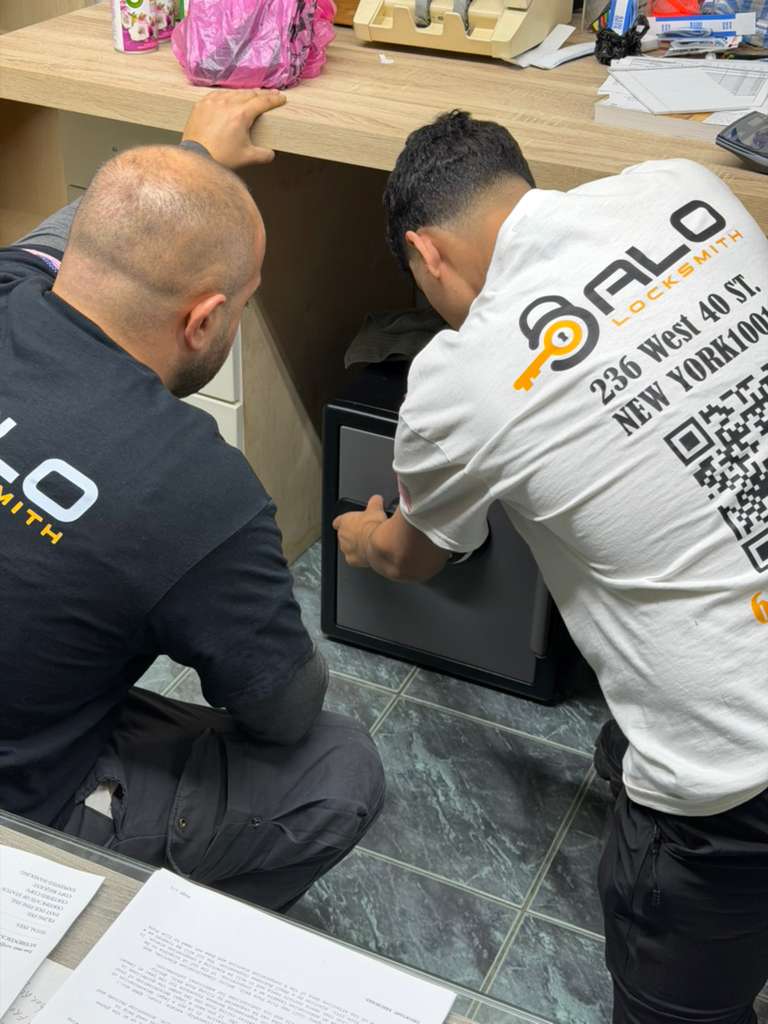
Manhattan apartments and offices often include small fire safes, document boxes, and older wall safes. Opening a safe without the combination ranges widely by model. A basic consumer safe, if you’re locked out, can cost 150 to 300 dollars to open non-destructively. If drilling and repair are required, expect 300 to 600 dollars or more, depending on parts and finish. Higher-end safes require safe-rated technicians and specialized tools, and costs climb accordingly. If your need is simply to open safe because a keypad died, replacing a keypad or lock module will add parts costs that vary by brand.
USPS mailboxes and building mailbox clusters fall under specific rules. A licensed locksmith can service and replace tenant mailbox locks in coordination with management, usually for 75 to 150 dollars per box during daytime.
When repair becomes replacement
A common mistake is throwing money at a failing cylinder on its last legs. If you’ve paid for two service calls within a year for the same apartment door, consider a lock replacement. Older cylinders, especially if they run a popular keyway with decades of wear, can eat new keys. In those cases, upgrading to a modern cylinder or a restricted keyway reduces future headaches. For doors with poor alignment, no amount of key repair will mask a latch and strike out of plane. A few millimeters of hinge shim or strike adjustment can extend hardware life and reduce callbacks.
Manhattan’s older building stock makes this kind of judgment call important. I’ve seen mortise locks from the 1960s keep working after a thorough clean and spring replacement. I’ve also seen owner-installed bargain deadbolts fail within months under daily use on a busy office door. Pay attention to grade ratings and the environment: grade 1 for heavy commercial, grade 2 for most residential and light commercial, grade 3 avoided for primary doors in the city.
How timing changes the quote
If you can wait for regular business hours, you’ll save. Here’s the typical rhythm. Early evening weekday calls often incur a small premium, especially after 6 p.m., and late-night or weekend calls incur a larger one. Holidays price at the top of the range. A 24 hour locksmith keeps a tech available and a van ready, which costs real money. Consider whether a non-urgent key repair can be safely delayed until morning. If your door won’t lock and you’re leaving the apartment, that’s an emergency. If the key is sticky but works, sleep on it and book a morning slot.
Payment method and documentation matter for commercial clients. Many companies need invoices with itemization, COIs, and W-9s. Expect a slightly higher cost when administrative overhead is built into the service.
Transparent ranges you can use to budget
These estimates reflect typical Manhattan pricing for a skilled, insured locksmith, not rock-bottom numbers. They aim to be realistic for a mobile key service that shows up on time and stands behind the work.
- Residential key extraction or repair visit in regular hours: 90 to 225 dollars, plus 10 to 40 per key. Rekeying a standard residential lock, parts and two keys: 125 to 200 dollars for the first cylinder, 30 to 60 for each additional. Residential lock replacement with a quality deadbolt: 200 to 350 dollars installed for grade 2, 300 to 450 for grade 1, more for high-security or smart. Commercial cylinder re-pin or service: 150 to 250 dollars plus restricted keys at 20 to 40 each. Mortise case service 200 to 400. Automotive metal key cut and service: 85 to 150 dollars. Transponder or remote key: 175 to 300. Key fob programing for push-to-start: 200 to 450, often more for certain imports. Ignition service or override to remove key: 150 to 300 for simple issues; ignition replacement 300 to 600 for common models. Car lockout: 90 to 150 daylight; higher after hours. Open safe, consumer models: 150 to 300 for non-destructive entry; 300 to 600 if drilling and repair are needed. After-hours premium: add 75 to 150 dollars to the above, sometimes more after midnight or on holidays.
If a quote is dramatically below these numbers in Manhattan, ask about licensing, insurance, and parts quality. If it’s dramatically above, ask for a breakdown. A reputable locksmith in NYC explains labor time, parts, and any specialty charges in plain language.
Why a “cheap” fix can cost more later
Keys and locks are a matched system that relies on tight tolerances. Duplicating a worn key copies the wear. A good locksmith cuts to original spec when possible, which is why the fresh key might look different. Using incorrect lubricants also shortens life. Graphite in a shared building can gum up office attire and attract dirt. Professional techs in Manhattan typically use lock-specific dry lubricants or Teflon-based sprays in moderate amounts.
Hardware quality matters. A residential deadbolt that costs 25 dollars on a discount shelf often carries thin bolts, soft metals, and sloppy tolerances. Frequent use in a Manhattan apartment, especially with multiple roommates and deliveries, will expose those flaws. Paying 80 to 120 dollars for a quality lock body and 100 to 200 for proper installation makes sense when you divide by years of service.
On the automotive side, cheap aftermarket fobs sometimes fail within months. If you rely on your car daily, a reputable car locksmith will recommend an OE or high-grade aftermarket fob with a warranty. Saving 50 dollars today to get stranded next quarter is not a win.
Navigating building rules without getting stuck
Many Manhattan buildings restrict lock changes on corridor doors to maintain a master key. If you’re a tenant, coordinate with management. A lock technician can rekey your cylinder to the building’s system or install a compatible cylinder. If you swap hardware without authorization, you may be required to revert at your expense, and emergency access could be compromised. For internal apartment doors, you generally have more leeway, but legal egress and fire code still apply.
Commercial tenants face similar rules. Property managers often hold the master system and require all changes to go through approved vendors. If you’re opening a new suite, budget for rekeying and access control integration. The phone call to the building office before you book the nearest locksmith can save half a day.
When to call the dealer, when to call an automotive locksmith
Dealers excel at software updates, recalls, and warranty work. They are slower at emergencies and rarely come to you. An automotive locksmith is your best bet for same-day key fob programing at the curb, especially if you’ve lost all keys. For certain high-security European models, dealers may be your only option due to parts lockouts or immobilizer systems that require factory precoding. A seasoned car locksmith will tell you when that’s the case and might even help arrange towing if needed.
If your key is stuck and the vehicle won’t release it, try the basics before calling: confirm it’s in Park, press the brake, and turn the wheel slightly to relieve steering lock pressure. If that fails and you hear no solenoid click, the override function to remove key from ignition can get you moving, but it may be a temporary workaround. A professional can diagnose the root cause so you don’t repeat the dance tomorrow.
Practical steps to limit your costs
A bit of prevention keeps you out of emergency pricing. Keep at least two working keys in different locations. Replace obviously worn keys before they start chewing pins. If a lock turns rough, don’t force it. Schedule a locksmith in Manhattan during the day and ask for a service that includes a cylinder clean and re-pin rather than endless duplications. For offices, set a regular maintenance check on high-traffic doors. For cars, if a fob starts dropping range or the buttons feel inconsistent, replace the battery and test. If problems persist, plan a daytime programming visit before a complete failure forces a tow.
What a good Manhattan locksmith brings that is worth paying for
Experience shows in neat work, doors that close cleanly, keys that feel crisp, and clear communication. A solid locksmith service will explain repair versus replacement, bring the right hardware on the truck, and leave you with labeled keys and a written invoice. They carry liability insurance, understand COI requirements, and respect building rules. They also answer the phone the next day if something needs a tweak.
The cheapest option often skips those standards. You can feel the difference when the key still binds or the latch rattles. Manhattan is forgiving https://manhattanhcqf3299.overblog.fr/2025/11/key-fob-programming-in-manhattan-what-to-expect-and-cost.html of price, less forgiving of callbacks. Paying for competence upfront means fewer 2 a.m. surprises.
The bottom line on how much
If you’re standing on a Manhattan sidewalk with a key problem, here’s a quick way to frame it. A simple residential fix with a mobile key service in regular hours usually lands in the low hundreds, a straightforward car key or lockout is similar, and anything involving electronics, high-security, or after-hours service climbs into the mid to high hundreds. Full hardware replacements or complex commercial jobs can go higher, but they should come with a clear plan and a reason.
Ask the locksmith how they’d fix it if it were their own apartment door or their own car. The answer will tell you what you need to know. And if you want to avoid the emergency tax, put a spare where you can reach it, keep your keys in good shape, and deal with rough turns before they become stuck locks.